Speaking Their Language: How to Connect Culture, Dialect, and Core Content
Aug 20, 2026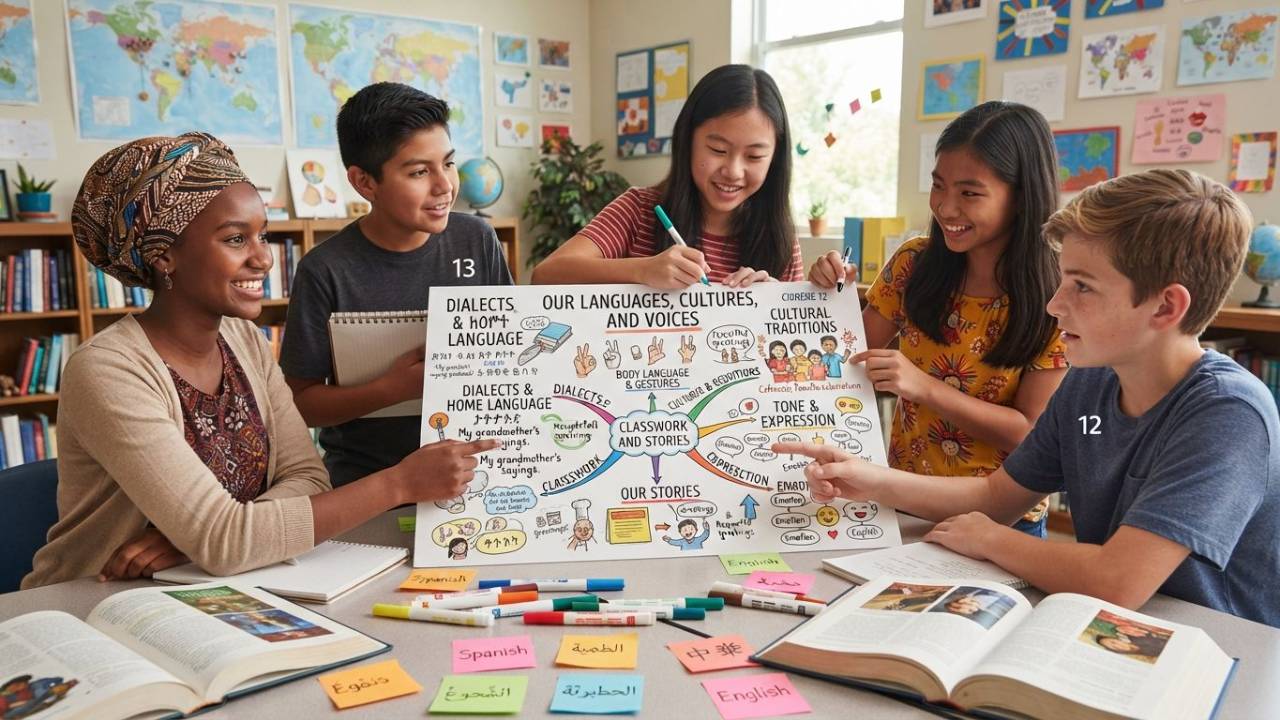
Despite our best intentions to create welcoming, inclusive classrooms where every student and family feels connected, we sometimes miss the mark. Subtle barriers can form, leaving students feeling isolated because of their home languages, dialects, and cultures.
Breaking beyond the status quo requires more than standard differentiation; it demands a deliberate commitment to honoring the rich linguistic and cultural assets our students bring through the door.
1. Connect Languages, Dialects, and Cultures to Classwork
True inclusion means learning through our students' lived experiences rather than just learning about them. When we weave diverse languages, regional dialects, and cultural perspectives directly into our daily lessons, academic content instantly becomes more relevant and engaging.
-
Validate home dialects as legitimate, rule-governed systems of communication.
-
Integrate literature, historical viewpoints, and scientific contributions from diverse cultures across all subject areas.
2. Build Intentional Relationships with Diverse Students and Families
Connection starts with trust. Building deep, authentic relationships with culturally and linguistically diverse students and their families bridges the gap between home and school.
-
Learn the proper pronunciation and meaning behind student names.
-
Reach out to families through accessible communication channels and invite them to share their expertise, stories, and cultural traditions in the classroom.
3. Teach That Communication Involves Words, Tone, and Body Language
Communication is multifaceted. Helping students understand that effective expression goes beyond vocabulary empowers them to navigate diverse social and academic environments with confidence and empathy.
-
Explore how different cultures utilize eye contact, personal space, and gestures.
-
Discuss how tone and body language interact with spoken words to shape meaning across various contexts.
4. Use Linguistics to Prepare Students for an Interconnected World
Linguistics isn't just an academic discipline; it is a powerful lens for global citizenship. By introducing students to the science of language—how languages evolve, how dialects form, and why code-switching matters—we equip them to thrive in a multicultural, interconnected world.
-
Foster linguistic curiosity by exploring word origins, idioms, and structural similarities across languages.
-
Dismantle linguistic biases by teaching students to appreciate the richness of linguistic diversity rather than enforcing rigid, monolingual standards.
5. Expand Multilingual Vocabulary in All Subjects
Vocabulary growth should never be a barrier to understanding. By building multilingual vocabulary across math, science, history, and language arts, we ensure that every student has the tools they need to grow, learn, and excel.
-
Encourage multilingual students to draw upon their home languages to make sense of complex academic concepts.
-
Introduce root words, cognates, and multilingual glossaries so that all learners can expand their lexical repertoires together.
Moving Forward
Empowering your multilingual and bi-dialectical students means transforming our classrooms into spaces where everyone can succeed. By celebrating diverse cultures, dialects, and communication styles, we not only uplift our most vulnerable learners—we enrich the educational experience for every single student in the room.